.png)

Home Builder Bookkeeping: Why Construction Accounting Is Different
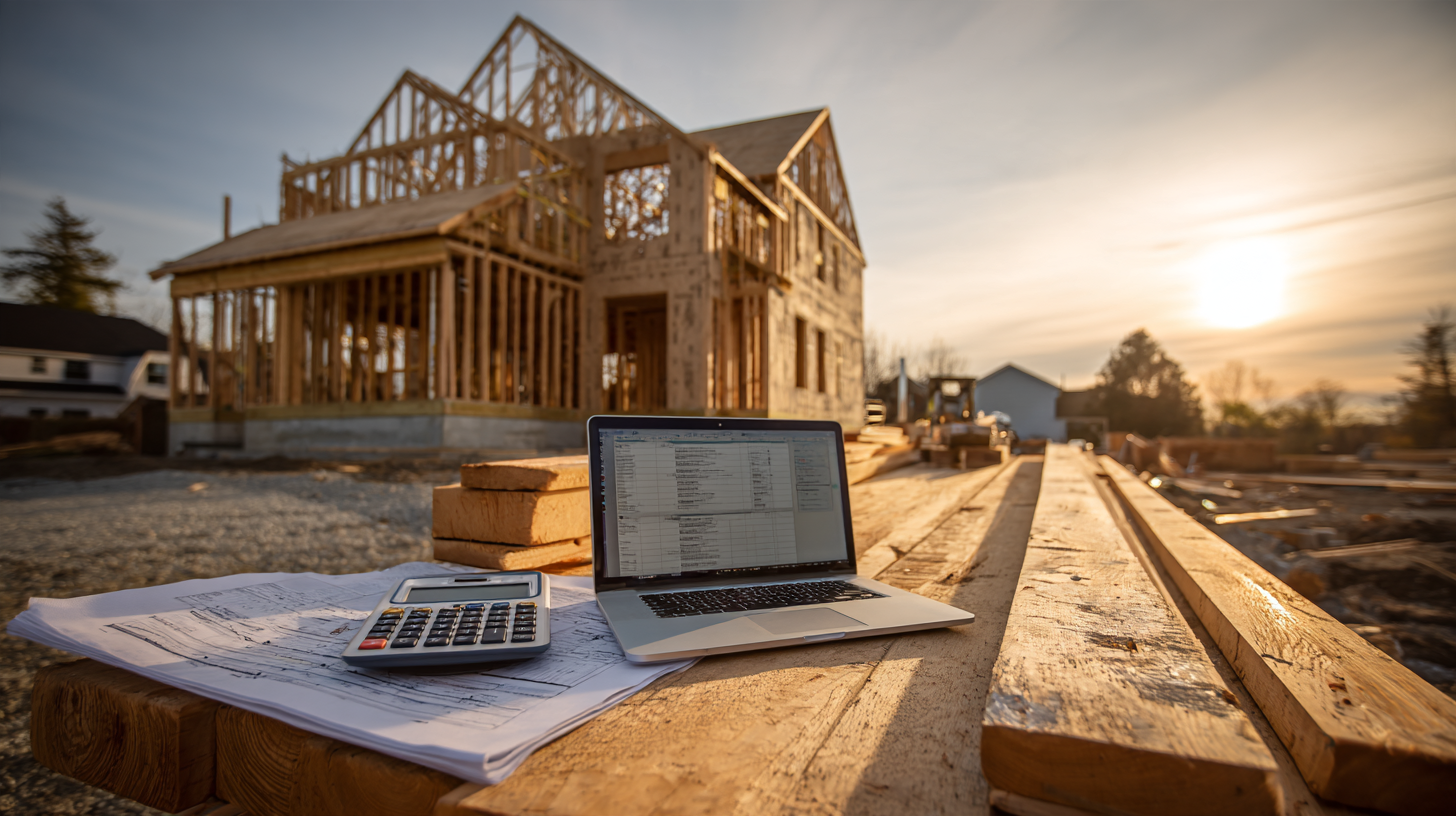
Home-building businesses require a different approach to bookkeeping than many traditional businesses. With multiple projects, construction loans, subcontractors, material purchases, and large amounts of money moving in and out, simply categorizing transactions isn’t enough. Home builder bookkeeping needs to clearly show where the money is going, which project it belongs to, and how profitable each home will be.
One of the biggest differences in construction bookkeeping is capitalizing expenses into assets. Costs directly related to building a home have to be recorded as an asset, such as Construction in Progress, rather than being immediately expensed on the Profit & Loss statement. These costs remain on the balance sheet until the home is completed and sold, when the appropriate costs are recognized with the sale. This helps prevent the Profit & Loss from showing expenses before the related revenue is recognized.
Tracking construction loan financing is equally important. Builders need to track how much has been borrowed for each project and how much interest is being paid. Interest is a real cost of the project and must be considered when determining the home’s true profitability. Without properly tracking construction loan interest, a builder could believe they’re making more profit than they actually are.
Project-cost tracking is also essential. Materials, subcontractors, permits, labor, equipment, financing costs, and other expenses should be assigned to the correct home or project. This allows builders to see the true cost of each home and determine its actual profitability.
At ProBook Accounting, we provide bookkeeping services for home builders and construction businesses with a focus on helping builders understand the true profit of each project. By properly tracking construction costs, financing, and interest, we help you see what each home actually cost to build, what it sold for, and how much profit you truly made.
ProBook Accounting Team
Home-building businesses require a different approach to bookkeeping than many traditional businesses. With multiple projects, construction loans, subcontractors, material purchases, and large amounts of money moving in and out, simply categorizing transactions isn’t enough. Home builder bookkeeping needs to clearly show where the money is going, which project it belongs to, and how profitable each home will be.
One of the biggest differences in construction bookkeeping is capitalizing expenses into assets. Costs directly related to building a home have to be recorded as an asset, such as Construction in Progress, rather than being immediately expensed on the Profit & Loss statement. These costs remain on the balance sheet until the home is completed and sold, when the appropriate costs are recognized with the sale. This helps prevent the Profit & Loss from showing expenses before the related revenue is recognized.
Tracking construction loan financing is equally important. Builders need to track how much has been borrowed for each project and how much interest is being paid. Interest is a real cost of the project and must be considered when determining the home’s true profitability. Without properly tracking construction loan interest, a builder could believe they’re making more profit than they actually are.
Project-cost tracking is also essential. Materials, subcontractors, permits, labor, equipment, financing costs, and other expenses should be assigned to the correct home or project. This allows builders to see the true cost of each home and determine its actual profitability.
At ProBook Accounting, we provide bookkeeping services for home builders and construction businesses with a focus on helping builders understand the true profit of each project. By properly tracking construction costs, financing, and interest, we help you see what each home actually cost to build, what it sold for, and how much profit you truly made.